There is a specific kind of agony that every watch collector knows: The watch has finally arrived. It looks perfect. But when you put it on, it slides all the way down to your elbow or cuts off your circulation.
Sizing a metal bracelet is a rite of passage. While you could take it to a jeweler and pay $20, doing it yourself builds a connection with the timepiece.
However, one slip of the screwdriver can leave a permanent, ugly gouge on the polished side of your links. We call this the “amateur mark”.
Here is the professional guide to removing links safely, breaking the factory glue, and ensuring you leave zero scratches behind.
⚠️ The “Golden Tool” Rule
Most scratches happen because the screwdriver is the wrong size.
Do not use an eyeglass repair kit. You need a hollow-ground watchmaker’s screwdriver (like Bergeon or a high-quality equivalent).
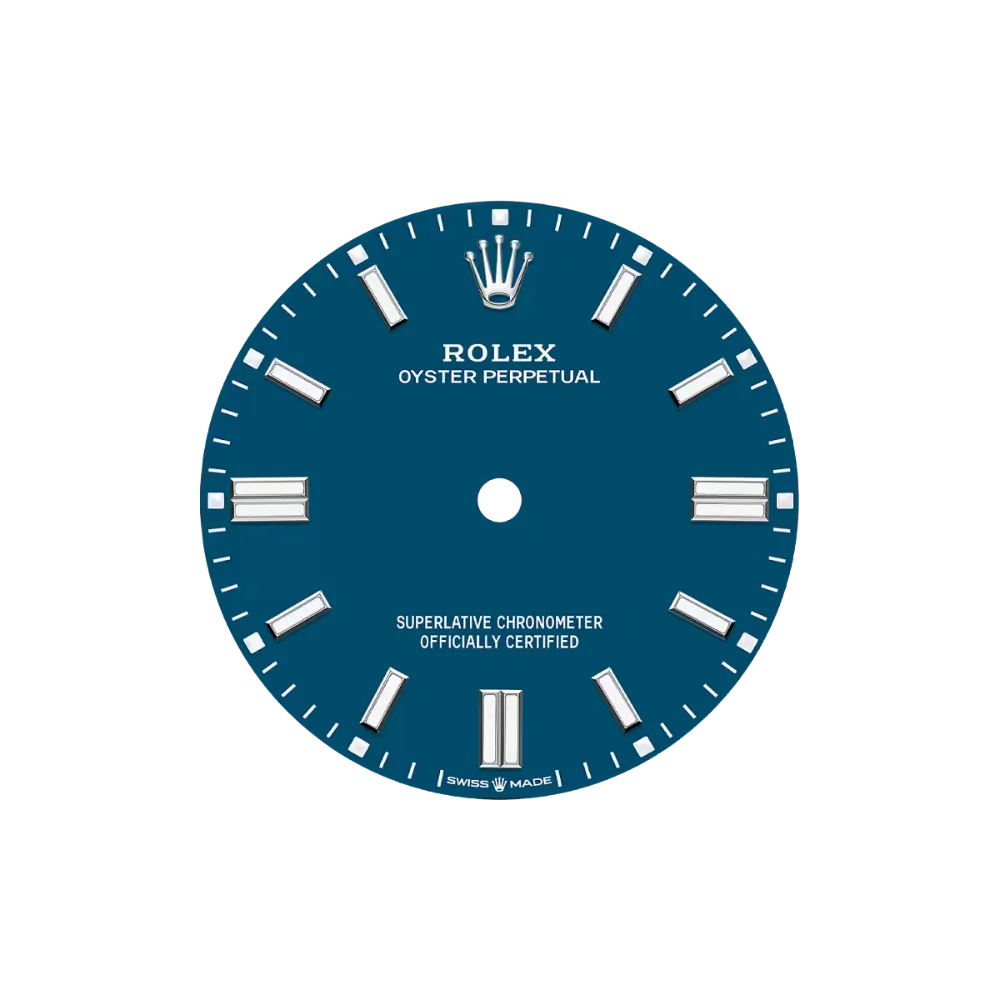
- Rolex Oyster: Usually requires a 1.6mm flathead.
- Rolex Jubilee: Usually requires a 1.2mm or 1.4mm flathead.
If the screwdriver head wiggles inside the screw slot, STOP. You will strip the screw.
The Setup: Creating a Safe Zone
You are not MacGyver. Do not do this while holding the watch in mid-air. You need a stable surface.
- The Mat: Lay down a soft microfiber cloth or a mousepad. If a screw drops, it won’t bounce into the abyss.
- Lighting: Use a bright desk lamp. Shadows are your enemy.
- The Secret Weapon: Masking Tape (Painter’s Tape) and a Hairdryer.
Step-by-Step: The “No-Scratch” Method
Step 1: Defeat the Loctite (The Glue)
High-tier factories (like VSF and Clean) use threadlocker glue (Loctite) to keep screws from falling out. If you try to unscrew a cold link, you might snap the screw head off.
The Fix: Blast the bracelet link with a hairdryer on “High Heat” for 30-60 seconds. This softens the glue and makes the screw turn like butter.
Step 2: The “Tape Trick” (Crucial)
This is how pros work. Take a small piece of clear scotch tape or masking tape.
- Place the tape over the hole of the screw you want to remove.
- Press it down so you can see the screw head indentation.
- Poke your screwdriver through the tape into the screw slot.
Why do this? If your hand slips, the screwdriver will hit the tape, not the polished steel of your bracelet. The tape acts as a shield.
Step 3: The Unscrew
Apply firm downward pressure (pushing into the bracelet) while turning slowly counter-clockwise.
Pro Tip: Keep your index finger on top of the screwdriver to stabilize it. Turn with your thumb and middle finger. Once the screw pops up, use a pair of plastic tweezers to pull it out.
Step 4: Re-Assembly
Remove the link(s). Put the bracelet back together. But before you put the screw back in, add a tiny drop of Loctite 222 (Purple) or 243 (Blue) to the thread.
Warning: NEVER use Red Loctite. Red is permanent. You will never get that screw out again without a blowtorch.
Troubleshooting: “Help! The screw is just spinning!”
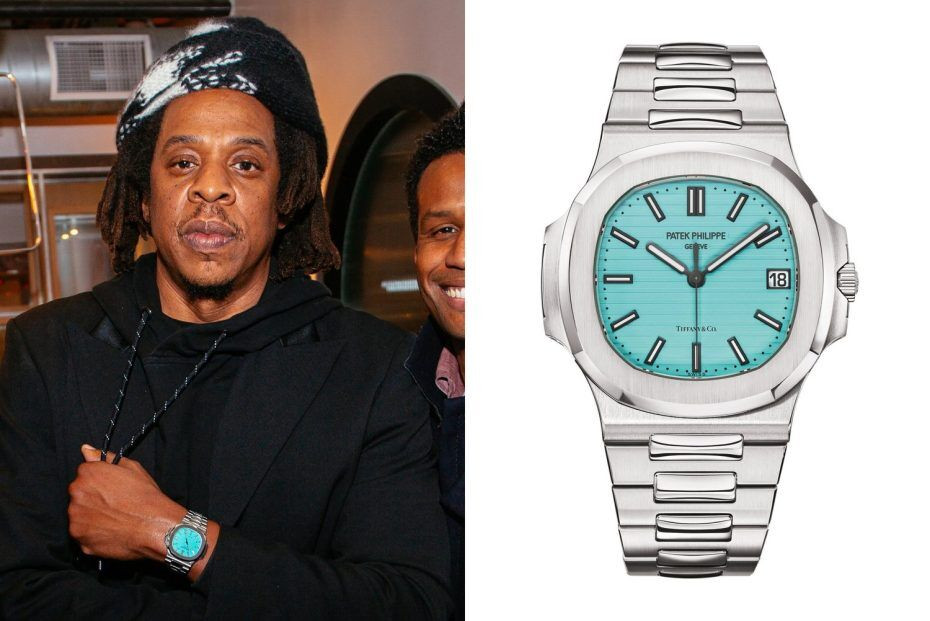
If you have a bracelet with pins (like a Patek Nautilus) or a double-sided screw system (like an Omega Seamaster), and the screw turns but doesn’t come out, you likely have a “”pin and collar”” system or a dual-screw system.
- For Omega: You need a second screwdriver to hold the opposite side in place.
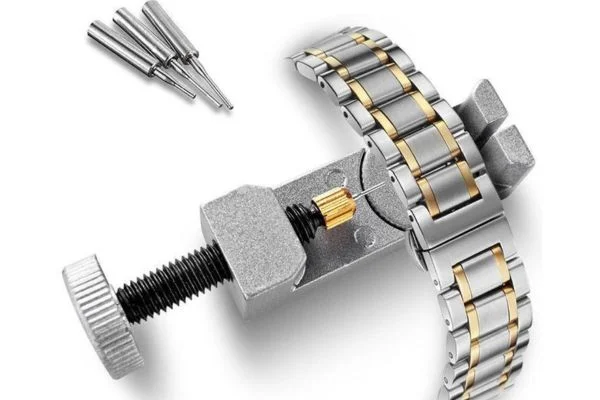
- For Patek/AP: You usually need a “push-pin tool” and a small hammer to tap the pin out in the direction of the arrow on the back of the link.
Summary
Heat it up. Tape it over. Use the right size driver. Take your time.
Sizing your own watch is satisfying. Doing it without leaving a single mark is mastery.